





Navigating Student Separation
We speak with each family to make individualized separation plans for each child and grown-up. Remember that each child’s separation will be different, and you should do your best not to compare your child to other children in the Group.
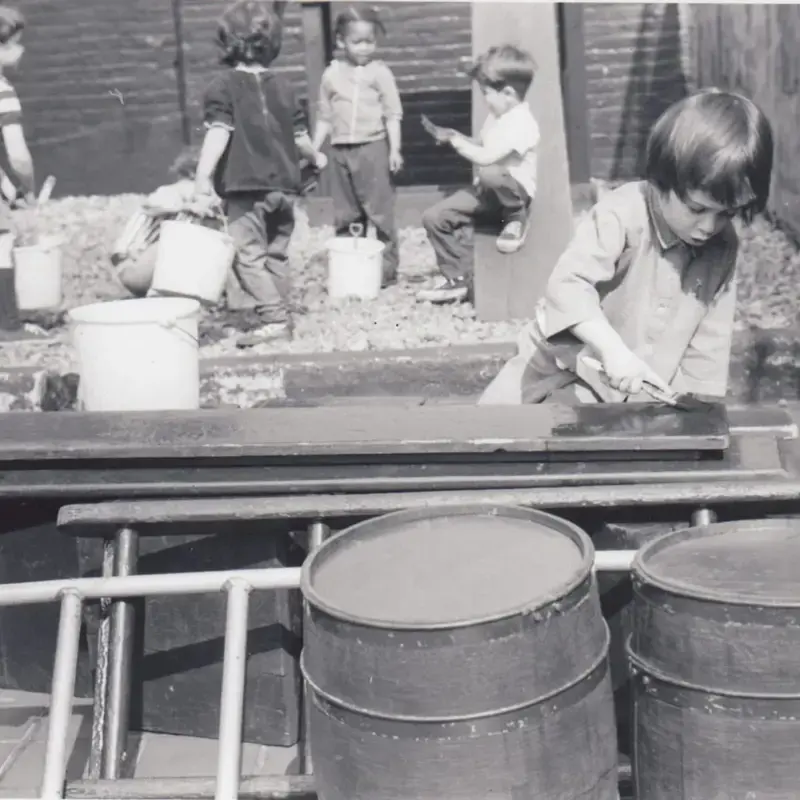
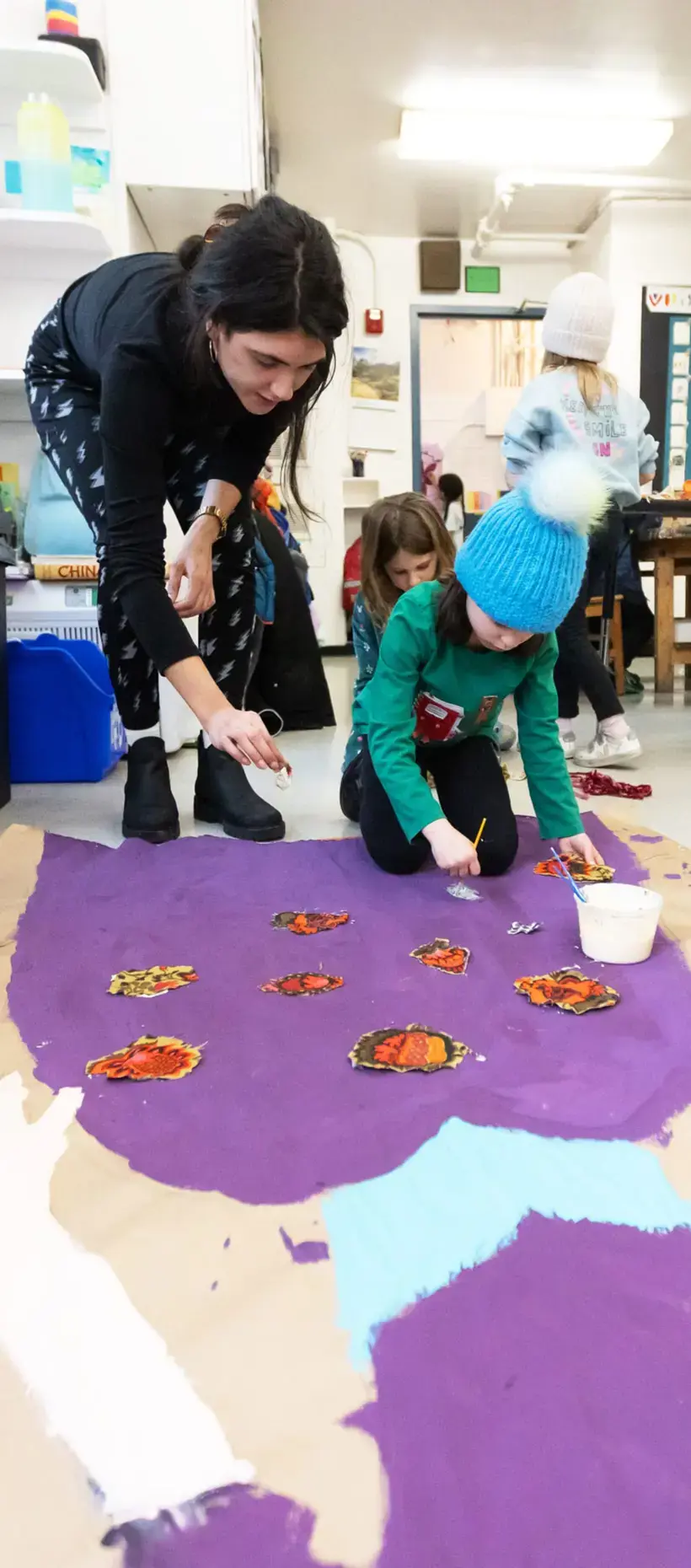
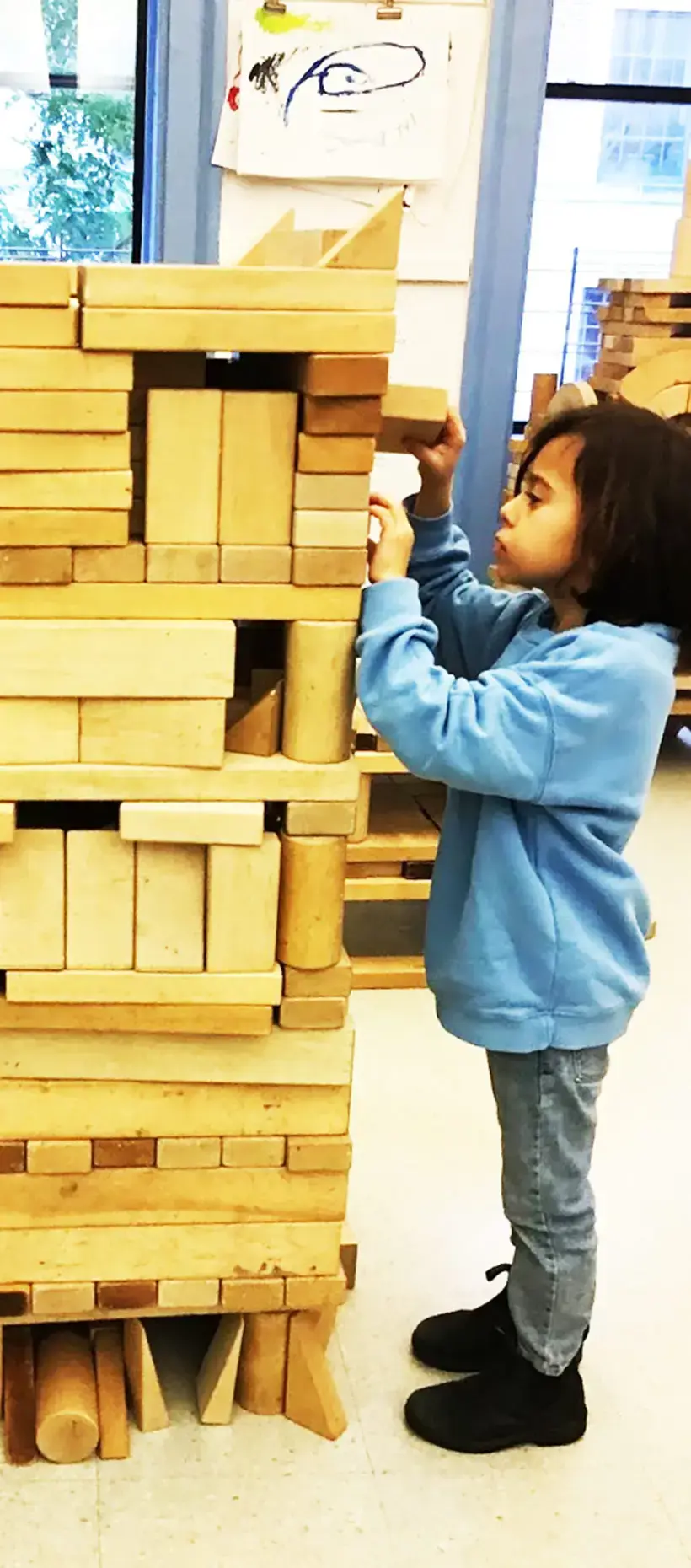
Frequently Asked Questions:Q: Can I bring my newborn to school during phase-in? A: It can be challenging for children to separate and engage in their work when their younger sibling is present. We ask that families find a plan that works best, which may mean leaving a baby at home or having a different grown-up be available for the phase-in period. Q: Why are the walls so bare? Where are the "toys"? A: C&C is simple by design, offering children a chance to work with open-ended materials both in the classroom and outside. Q: Can a visiting relative come during drop-off and hang out for a while to see the classroom? A: Yes, just let us know in advance. Teachers will also eventually ask for all grown-ups to leave once the children are engaged in their work. Q: Is it okay if my child is not quite potty trained? A: We anticipate that the IIs will still be working on potty training, but we do expect the IIIs to be potty trained before the start of the school year. We will always offer assistance to children who are using the toilet at school, and we also help children change clothes when necessary. Q: What should we be doing at home to reinforce what my child is learning in school? A: Talk with your children, read to your children, and display a genuine interest in whatever they choose to share about school. Some children may have a lot to say while others may prefer to keep their school life separate from home. Ask your child specific questions, such as, “who did you sit next to at snack?” or “did you paint today?” Q: What happens if I'm late picking up my child? A: If possible, please call ahead and let the front desk know you are running late. Someone will always stay with your child until you arrive. |